Are you over 50 and looking to supercharge your retirement savings? Maximizing Your Wealth: 401k Catch-Up Contributions for Those Over 50 is your guide to understanding a powerful tool designed to help you catch up on retirement savings. This strategy allows those age 50 and older to contribute extra to their 401(k) plans, potentially boosting their nest egg significantly before retirement.
This article dives deep into the eligibility, tax advantages, and strategic approaches for making the most of these contributions. We’ll explore how catch-up contributions can integrate into your overall financial plan, helping you make informed decisions to secure a comfortable retirement. From understanding IRS regulations to assessing portfolio impacts, we’ll cover everything you need to know.
Maximizing Your Wealth: 401k Catch-Up Contributions for Those Over 50
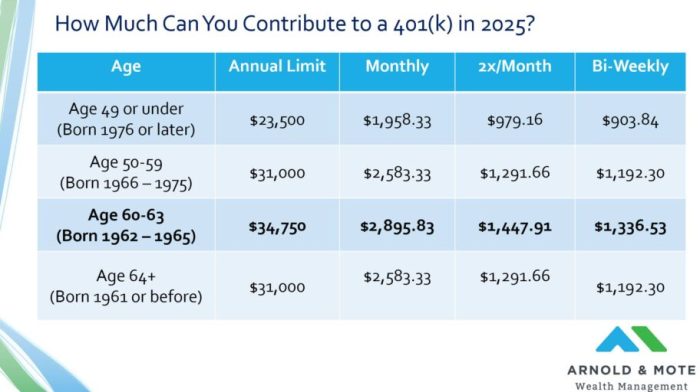
As we get older, retirement creeps closer, and the need to secure our financial future becomes increasingly urgent. For those aged 50 and over, 401(k) catch-up contributions offer a powerful tool to supercharge retirement savings. This article dives deep into the mechanics, advantages, and strategies surrounding these contributions, helping you make informed decisions to boost your nest egg.
Let’s explore how you can leverage this valuable benefit to maximize your retirement savings and secure your financial future.
Understanding the Eligibility Requirements for 401k Catch-Up Contributions
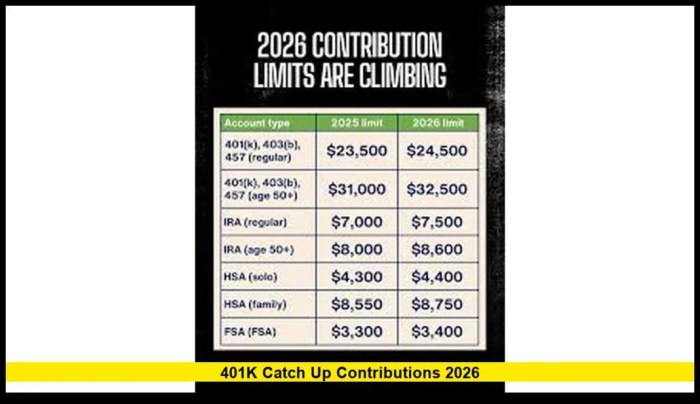
Knowing who qualifies for catch-up contributions is the first step in harnessing their power. Understanding the age requirements and how they impact your retirement strategy is crucial for effective financial planning. The IRS sets specific rules, and being aware of these regulations is key to making the most of this opportunity.
The primary eligibility requirement for 401(k) catch-up contributions is age. Specifically, you must be age 50 or older by the end of the calendar year to be eligible. This means that if you turn 50 at any point during the year, you can take advantage of catch-up contributions for that entire year.
This age-based eligibility has significant implications for retirement savings. As you approach retirement, the catch-up provision allows you to accelerate your savings, making up for lost time or helping you reach your retirement goals more quickly. It’s a game-changer for those nearing retirement, offering a way to significantly boost their contributions when they might have more disposable income and a shorter time horizon to accumulate savings.
The specific benefits of contributing include:
- Increased Savings Potential: Allows you to contribute more than the standard limit, accelerating your savings growth.
- Tax Advantages: Contributions are often tax-deductible, reducing your taxable income in the present.
- Catching Up: Helps individuals who started saving late or had periods of lower income to catch up on their retirement savings.
The IRS sets the rules for catch-up contributions. These regulations include:
- Contribution Limits: The IRS sets annual limits on catch-up contributions. These limits are adjusted periodically to account for inflation.
- Plan Types: Catch-up contributions are available in most 401(k) plans. However, it’s essential to verify with your plan administrator.
- Interaction with Other Accounts: Catch-up contributions apply only to the specific 401(k) plan. They do not affect contribution limits for other retirement accounts, such as IRAs.
Here’s a comparison of standard 401(k) contribution limits versus catch-up contribution limits. Keep in mind that these numbers can change, so always check the latest IRS guidelines.
| Feature | Standard 401(k) Contribution | Catch-Up Contribution | Total Contribution (Age 50+) | Benefits |
|---|---|---|---|---|
| Eligibility | All Employees | Age 50 or older by year-end | ||
| 2024 Contribution Limit (Employee) | $23,000 | $7,500 | $30,500 | Increased Savings Potential |
| Tax Treatment | Pre-tax or Roth | Pre-tax or Roth | Tax-Advantaged Growth | |
| Plan Availability | Most 401(k) Plans | Most 401(k) Plans | Helps close the retirement savings gap |
Ending Remarks
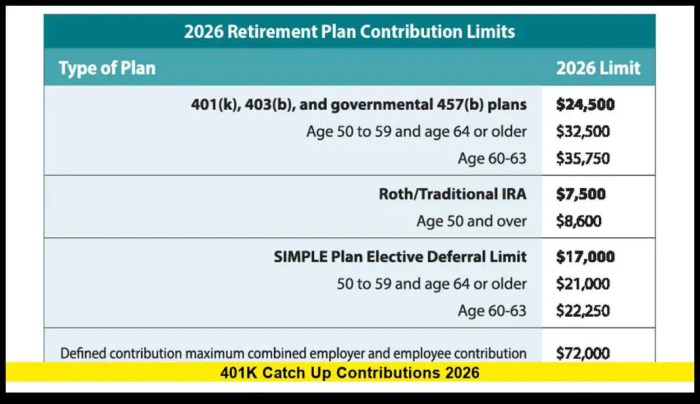
In conclusion, harnessing the power of 401(k) catch-up contributions can be a game-changer for those aged 50 and over. By understanding the rules, leveraging the tax benefits, and adopting a smart contribution strategy, you can significantly enhance your retirement savings. Remember to consider your personal financial situation, seek professional advice when needed, and stay informed to make the most of this valuable opportunity.
With careful planning, you can navigate the path to a more secure and prosperous retirement.
FAQ Overview
What is the 401(k) catch-up contribution limit for 2024?
For 2024, individuals age 50 and over can contribute an additional $7,500 to their 401(k) on top of the regular contribution limit.
How do catch-up contributions affect my taxes?
Catch-up contributions are made pre-tax, reducing your taxable income in the current year. This can lower your overall tax liability and potentially move you into a lower tax bracket.
Can I use catch-up contributions in both my 401(k) and IRA?
No, catch-up contributions are specific to employer-sponsored retirement plans like 401(k)s. You can also contribute to an IRA, but there are different contribution limits and eligibility requirements.
What if my employer doesn’t offer a 401(k) plan?
If your employer doesn’t offer a 401(k), you can explore other retirement savings options, such as a traditional IRA or Roth IRA. While you won’t have access to catch-up contributions, you can still maximize your savings within the available contribution limits.
